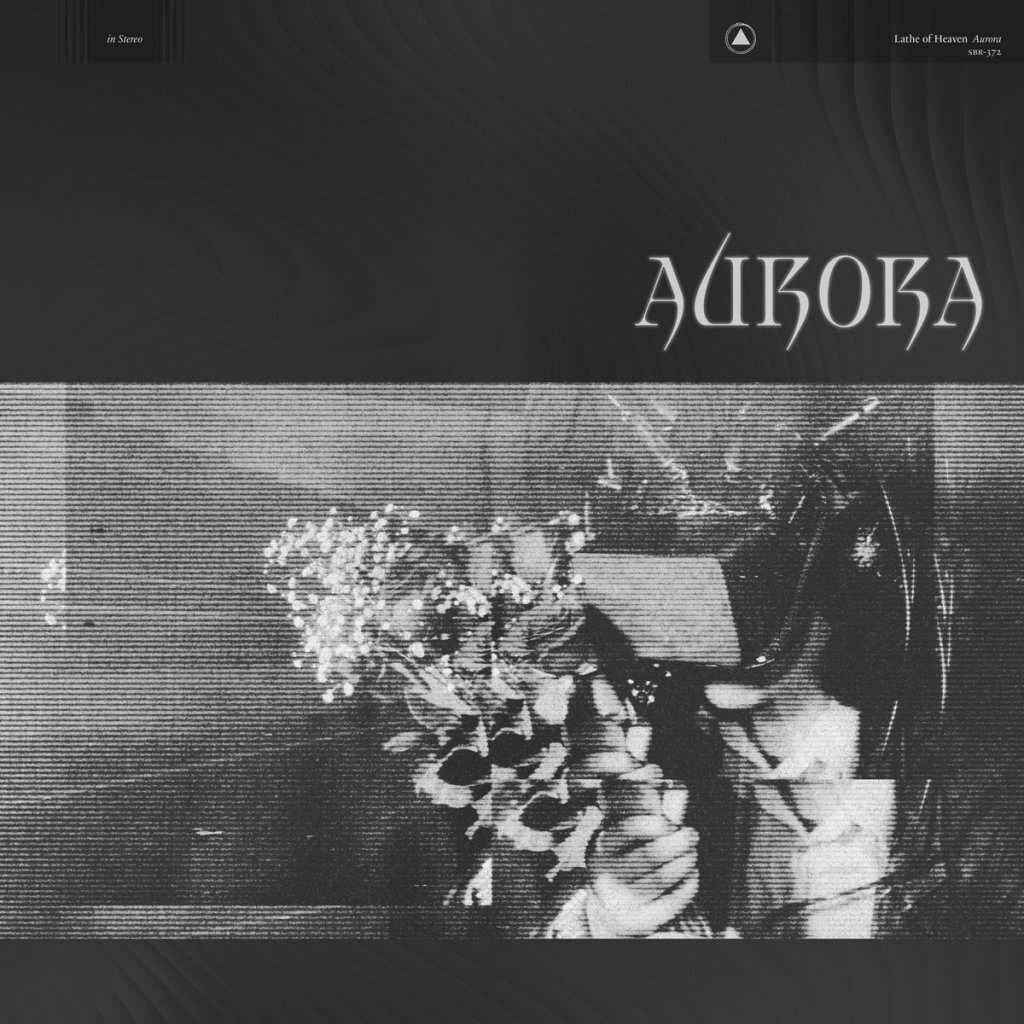
When I first heard Lathe of Heaven’s demo in 2022, I thought it was decent, but unoriginal. A year later, they blew me away with their debut Bound by Naked Skies, which was my favorite LP of 2023. Now with their sophomore album, Aurora, they probably take the spot as being my favorite modern post-punk band. I loved the high concept music videos they released as singles, but even still, the album resonated with me in ways I wasn’t expecting.
This isn’t a terrific time to be alive. As members of a queer community, we approach every day knowing that our days could be numbered. Aurora dropped the day after the Minneapolis shooting. In the wake of horrific violence that had many of us fearing for the ensuing rhetoric, Lathe of Heaven offered a message of hope and jouissance.
The latter term, one usually defined as the feeling of momentary joy in a direct action, is a theme that recurs throughout the super cool sci-fi short stories on Aurora. In a crumbling technocapitalist world obsessed with the simulacra, “hidden computations, a desperate mimicry,” the band insists that we “hold on to this life.” The lyrics are not impenetrable, but not simplistic either. They’re a perfect harmony of understandable narratives that reveal a grateful perspective on life.
The dark, gothic, mood-drenched Killing Joke devotionals that one first thinks of with the term “post-punk” are balanced beautifully with joyous, uplifting new wave pieces akin to Mirror Moves-era Psychedelic Furs. This two-fold approach has a way of probing the listener with technical horror, opening them up to be washed over by chorus-laden reverberations of optimism. Aurora seems to encompass the yin-yang of post-punk, but that isn’t the only way the album reflects the underlying Taoist sentiments found in Ursula K. Le Guin’s novel the band take their name from.
“I do know that it’s wrong to force the pattern of things… It’s been our mistake for a hundred years” writes Le Guin. To not exert force, to absolve the self into the eternal way, to experience the human condition as a natural flow; these are the sentiments imprinted on the reader in The Lathe of Heaven. Against the backdrop of a time continuum and multiple realities, the text is critical of the ways Dr. Haber tries to suppress Orr’s divergent behavior and dreams of these other worlds.
The natural flow of things, what one might call the Dao, is how the songs on Aurora express themselves to the listener. Nothing ever feels forced with Lathe of Heaven. The music, the lyrics, the art, their career trajectory; everything progresses organically, without overexertion. Their promo is awesome, never feeling ham-fisted or that they’re trying too hard. LoH gives off the vibe that many of my favorite artists do; that the only thing they care about is making music and cool art.
That’s not to say Aurora is perfect. Despite having a unique take on the genre, the band don’t reinvent the wheel on this release. There’s an irony with post-punk nostalgia. Mark Fisher points out the contradiction of forward-thinking music from the eighties in Ghosts of My Life: “Invited to think of the futuristic, we will still come up with something like the music of Kraftwerk, even though this is now as antique as Glenn Miller’s big band jazz.” Recreating music that felt futuristic 40 years ago exists in a liminal simulacra itself. While it might feel retro, the themes of the album speak to the present day, placing LoH in a league above most of the eighties-obsessed goth scene. I feel like Lathe of Heaven could take post-punk into interesting directions on future releases, severing the genre from its ties to nostalgia and pushing it further into contemporary relevance.
I don’t know what the future holds. There are days when I wake up too frightened for what the headlines might say to get out of bed. Whatever monstrosity technofeudal authoritarianism has in store next, Aurora helps me hold on to the beauty in life. Watching Lathe of Heaven absolutely kill it gives me hope and helps me feel grateful for the people around me. “Lost in pure devotion, chasing heaven lying next to you…”
 Fourth Dominion